

While the fate of our country's most majestic swaths of nature hangs in the balance, there is no time like the present to visit our national parks.
So, break out your bucket list and start checking them off: Here's how to get the best of our 10 favorite national parks this side of the Colorado River.
Utah's National Parks: For Stargazers and Geologists
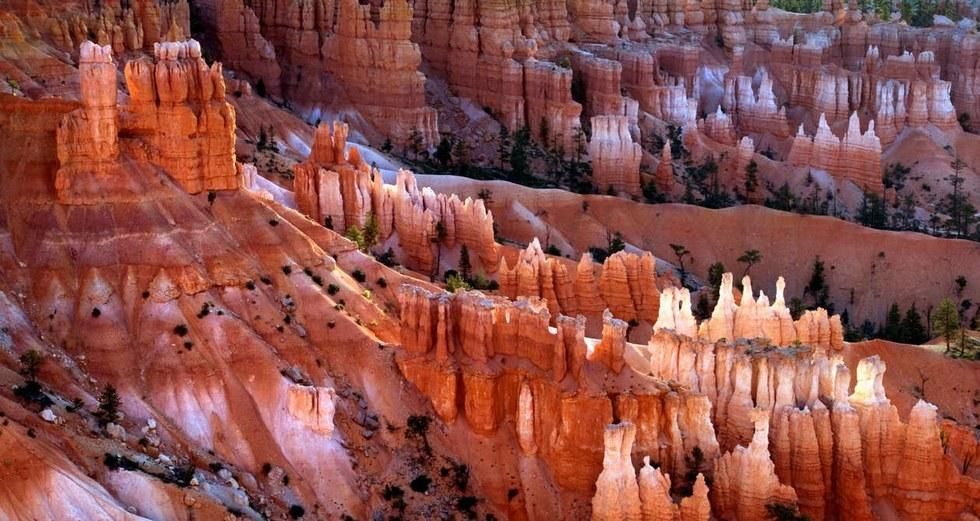
Bryce Canyon National Park
(Courtesy of Utah.com)
Bryce Canyon National Park
One of the smaller national parks, Bryce Canyon is nestled in the rockery terrain of southwest Utah. Dew-drenched ponderosa pines can be seen towering atop the park's high-altitude meadows; the songs of resident swallows can be heard emanating from the bellies of horseshoe-curved canyons. Bryce Canyon epitomizes the notion that great things do, in fact, come in small packages. (A 35,835 acre package, to be exact.) Don't forget to checkout the hoodoos Bryce Canyon's famous for.
- Established: 1928
- Camp: Northbound and Sunset campgrounds offer $20 to $30 nightly fees.
- Main Attractions: Annual geology and astronomy festivals, and ride horseback through the canyons.
- Like a boss: Get the best views of the naturally carved-out amphitheaters from Sunset Point, Inspiration Point, and Bryce Point.
// Bryce Canyon National Park, UT-63, Bryce, Utah, nps.org
Arches National Park
First occupied by humans nearly 10,000 years ago, Arches National Park is the byproduct of the glaciers that receded during the last ice age. Fast forward to the present day, Arches National Park is now widely regarded as one of the country's go-to destinations for star gazing and geocaching. Devil's Garden serves up sin-worthy amounts of no-filter-needed panoramas—like the ones waiting for you at Broken Arch, Double Arch, and Mesa Arch. The pictures you'll be tiling your Instagram with are worth the road trip itself.
- Established: 1929
- Camp: The 50-site campground at Devil's Garden is currently closed; lodging can be found at the neighboring city of Moab, Utah.
- Main attractions: Cave wall art and sandstone art from the ancient Pueblo and Fremont peoples; don't forget to stop by Delicate Arch—which is featured on Utah's state license plates.
- Like a boss: Beautiful wildflowers and seven geologically baffling arches can be seen on the 7.8 mile Devil's Loop Hike.
// Arches National Park, 2180 US-191, Moab, Utah, nps.org
Nevada's National Parks: For Water Babies, Fisherman, and Spelunkers
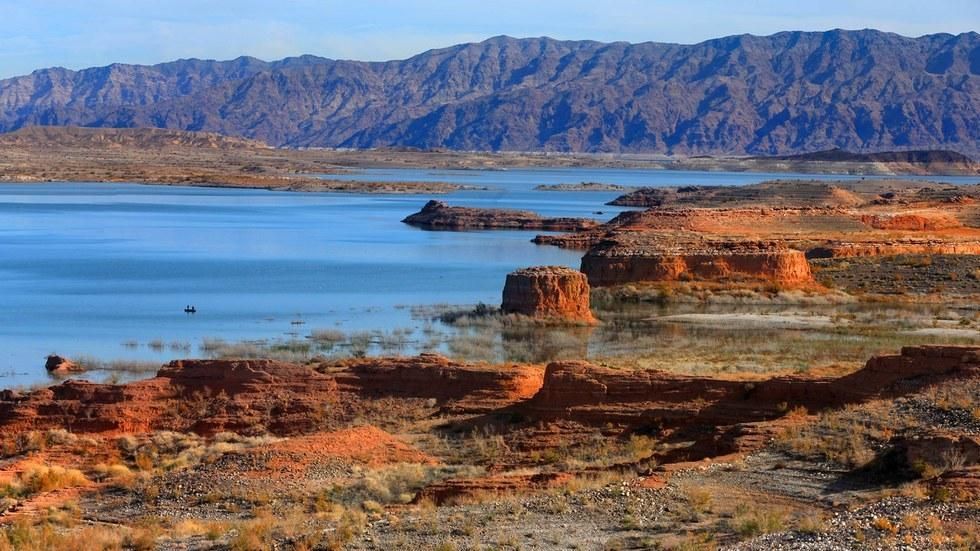
Lake Mead National Park
(Courtesy of National Parks Conservation Association)
Lake Mead National Park
Thought of as America's most diverse recreational area, there's something for everyone at Lake Mead National Park, especially if you enjoy being on the water. Lined with awe-inspiring views of red rocks and aqua-hued waters, it's a four-season playground for all ages that spans more than a million acres. With two massive lakes—Lake Mead and Lake Mohave—within the park's borders, it might be difficult to keep your fingertips from pruning.
- Established: 1964
- Camp: Campgrounds found at Lake Mead and Lake Mohave range from $20 to $45 per night.
- Main attractions: Views of the Hoover Dam are bountiful and walking tours of the Rodgers Springs will leave you with a newfound lust for desert palms.
- Like a boss: Pack a picnic and enjoy a sunset at the end of the Redstone Trail.
// Lake Mead National Recreation Area, 10 Lakeshore Rd, Boulder City, Nevada, nps.org
Great Basin National Park
An intersection of geology and anthropology, Great Basin National Park is home to more than just a network of sandstone caves and towering peaks—it's also decorated with galleries of cave artwork, painted with plant-based dyes by the Fremont Indians. For the spelunkers among us, check out the stalactites and stalagmites found in the bowels of Lehman Caves for a truly underground experience. If you prefer to be above ground, hike toward the 13,000-foot summit of Wheeler Peak.
- Established: 1986
- Camp: Designated tent campsites go for $12 a night.
- Main attractions: Trout fishing at Baker Creek and drool-worthy hikes at over 9,000 feet above sea level.
- Like a boss: Elevation sickness is a real thing at these dizzying heights, so come prepared.
// Great Basin National Park, 5500 NV-488, Baker, Nevada, nps.org
Oregon's Crater Lake National Park: Magic for Hikers and Divers
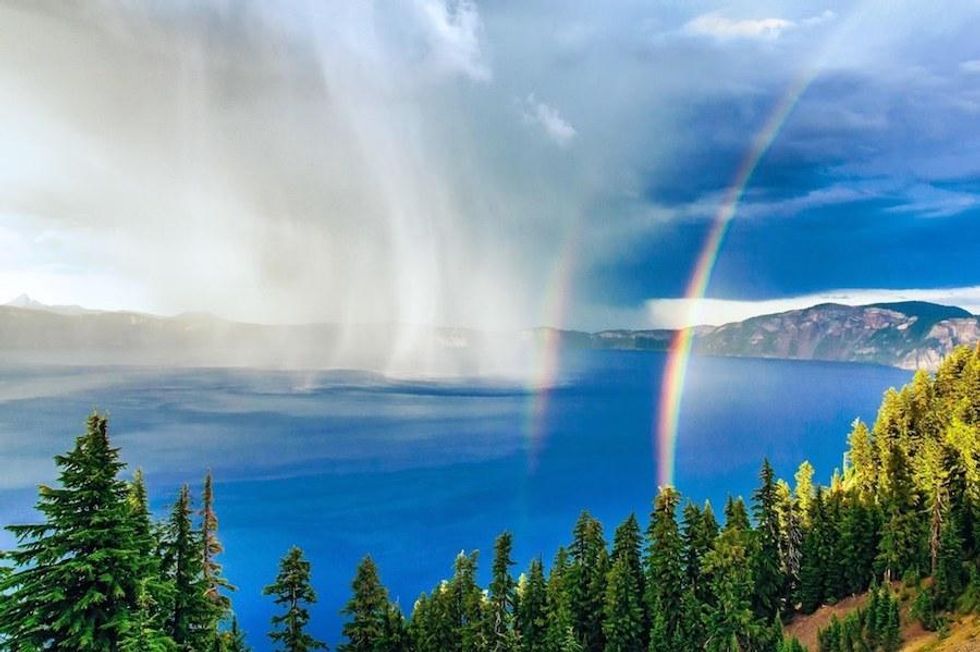
Crater Lake National Park
(Courtesy of topworldresort.com)
Crater Lake National Park
Outdoorsy types flock in droves to see this 183,000-acre wilderness. That, and they're all pretty keen to wade their feet in the lake which, at over 1,900 feet deep, is the ninth-deepest lake in the worl). If scuba diving into the belly of an ancient volcano isn't your cup of tea, explore the old-growth evergreen forests surrounding the now defunct volcano's rim via the Garfield Peak Trail.
- Established: 1902
- Camp: Mazama Campground and Lost Creek Campground offer tent-only camping from $10 to $22 a night.
- Main attractions: Elk-watching along Union Peak Trail, and mountain biking and waterfall sightings along Pinnacles Trail.
- Like a boss: Swimming in Crater Lake is allowed at Fleetwood Cove and Wizard Island—but it's a wear-a-wetsuit kind of cold, regardless of month
// Crater Lake National Park, Rim Dr, Crater Lake, Oregon, nps.org
California's National Parks: From High Desert to the World's Tallest Trees
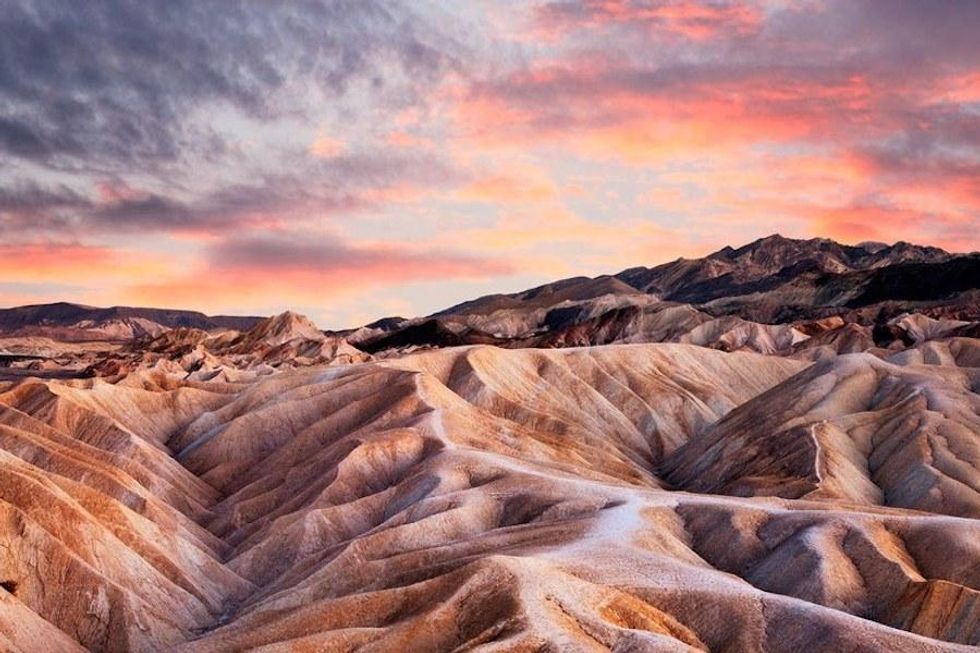
Death Valley National Park
(Courtesy of National Parks Conservation Association)
Sequoia and King Canyons National Parks
Home to sky-scraping, centuries-old redwoods, Sequoia National Park really is The Land of Giants. In fact, Sequoia was the first national park solely founded to protect and sustain the giant sequoias. Once you're in the presence of these 250-foot tall behemoths—found only between 5,000 and 7,000 feet above sea level—you'll understand why people travel thousands of miles to see them.
Kings Canyon and Sequoia National Park, while considered separate, are often spoken of in the same breath; Kings Canyon runs contiguous to Sequoia National Park. Because of this, we'd recommend taking the short trek north to see the endearing, near-as-much 275-foot tall General Sherman Tree and Redwood Mountain Grove—the largest grouping of giant sequoias anywhere in the world.
- Established: 1890
- Camp: Hume Lake, Big Meadows, and Stony Creek Area Campground sites can be reserved for around $20 per night.
- Main attractions: The fresh water cascading down the granite rock formations at Tokopah Falls and your best bet to see a wolverine in the wild—both activities are at their prime during the spring and summer months.
- Like a boss: Be on the lookout for gravity-defying salamanders that can't be found anywhere else in the world
// Sequoia National Park, 47050 Generals Hwy, Three Rivers, California, nps.org
Death Valley National Park
A few miles away from the lush greenery of Sequoia and Kings Canyon National Parks is Death Valley National Park. Known for its natural sandstone formations, this more than three million-acre span of grasslands, deserts, and valleys should be on anyone's Golden State bucket list.
- Established: 1994
- Camp: All nine campgrounds have campsites that can be reserved for between $7 to $36 per night stay
- Main attractions: Wildflowers bloom in the spring and great 4WD trails around the sand dunes at Emigrant campground.
- Like a boss: Be sure to bring plenty of water since refilling stations are scarce; filling-up your car's tank can also prevent you from become a skeleton of yourself—literally.
Lassen Volcanic National Park
A melting pot of indigenous life, the Lassen Volcanic National Park was once a meeting point for at least four documented Native American groups: the Atsugewi, Yana, Yahi, and Maidu people. A few hundred years later, the remnants of those resident cultures can be seen sprinkled throughout the more than 27,000 acres of volcanic-rich soil, the same soil helping grow the park's sky-reaching cedars and pines.
- Established: 1917
- Camp: The southwest campground offers walk-in sites, but all other campgrounds are currently listed as closed. We recommend calling to inquire about opening.
- Main attractions: Ski and snow well into the spring months, and a bird's-eye view of scaling pines and clear blue waters from the lookout at Juniper Lake.
- Like a boss: More than 700 flowering plants can be found within the park.
// Lassen Volcanic National Park, 21820 Lassen Peak Hwy, Mineral, California, nps.org
Joshua Tree National Park
Joshua Tree National Park is a Bay Arean's perennial favorite. Slightly larger than the size of Rhode Island, this nearly half-million acre landscape represents the meeting of the Mojave and Colorado deserts. If you're an avid climber, there's no better place in Southern California to fine-tune your bouldering skills.
- Established: 1936
- Camp: Nine campgrounds offer sites between $8 to $20; Black Rock Campground, Indian Cove Campground, and Cottonwood Campground are the only three that offer flushing toilets and watering stations.
- Main attractions: Fantastic lookouts for birding and impeccable stargazing, Joshua Tree is one of the least light-polluted areas in Southern California.
- Like a boss: The Lost Palms Oasis Trail is particularly beautiful to hike come sunrise and sunset.
// 6554 Park Blvd, Joshua Tree, California, nps.org