
An adorable gift shop for cat-crazy customers, two restaurants devoted to slinky soba noodles, a coffee shop whose lattes boast Okinawan black sugar, and a neighborhood store overflowing with cool vintage t-shirts and vinyl.
These are the newest businesses sprouting up in Bay Area Japantowns—two of only three remaining historic Japanese communities in the United States—with roots deeply anchored to their culture and history.
In San Francisco, Japantown dates back to 1906, with more than 200 small businesses centered around six blocks anchored at Post and Buchanan streets. San Jose’s Japantown—a vibrant three-block area on Jackson Street with shops, markets, and restaurants dating back to 1900, when Japanese immigrants worked on surrounding farms—was officially recognized as a California Cultural District in 2025.
Perhaps best known for events like SF’s Cherry Blossom Festival in April and Nihonmachi Street Fair in August, and San Jose’s Nikkei Matsuri Festival (April) and Obon Festival (July), the sister neighborhoods are worth a visit all year round—and these new and long-running businesses are just the place to start.
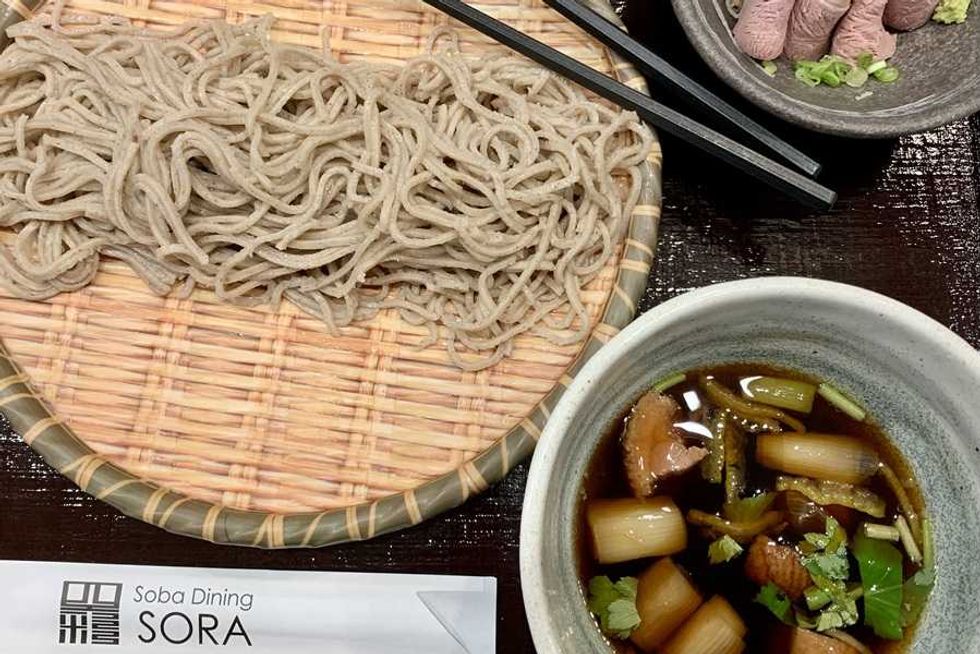 Kanu Zaro from Soba Sora(Anna Mindess)
San Francisco Japantown
Soba Dining Sora
The sleek new restaurant Sora Soba pays homage to a long Japanese tradition. Soba noodles, made from buckwheat, trace their heritage to the 16th century and Sora Soba sources their buckwheat flour from Hokkaido and Nagano. Owner Masao Kuribara’s ramen outpost sister restaurant Hinodeya is right next door; his great-grandfather opened the original Hinodeya location in Japan in Hasuda, Saitama Prefecture in 1885. Since buckwheat flour is tricky to work with, many cooks add some wheat flour, but not Soba Sora. Their 100 percent buckwheat noodles are both silky and chewy, and they recommend guests order the cold version to fully appreciate the taste and texture. Try the Kamu Zaro, which pairs the soba with a delicate duck and leek dipping sauce, plus a side of tender duck meat. At the end of your meal, the server will bring a small teapot with sobayu, the cloudy cooking liquid from the noodles full of B vitamins, minerals, and antioxidants to pour into your dipping sauce and drink as a soup. // 1731 Buchanan St., sora-sf-japantown
A family business which specializes in stunning origami papers, Paper Tree is more than 55 years old, and now headed by Linda Mihara, an award-winning origami artist. Her grandfather, Tobinobu Mihara, wrote the first English-language book on the ancient art of paper folding. Besides origami supplies and classes, you can view impossible-to-believe dragons and other complex creations all created from a single sheet of paper. // 1743 Buchanan St., paper-tree.com
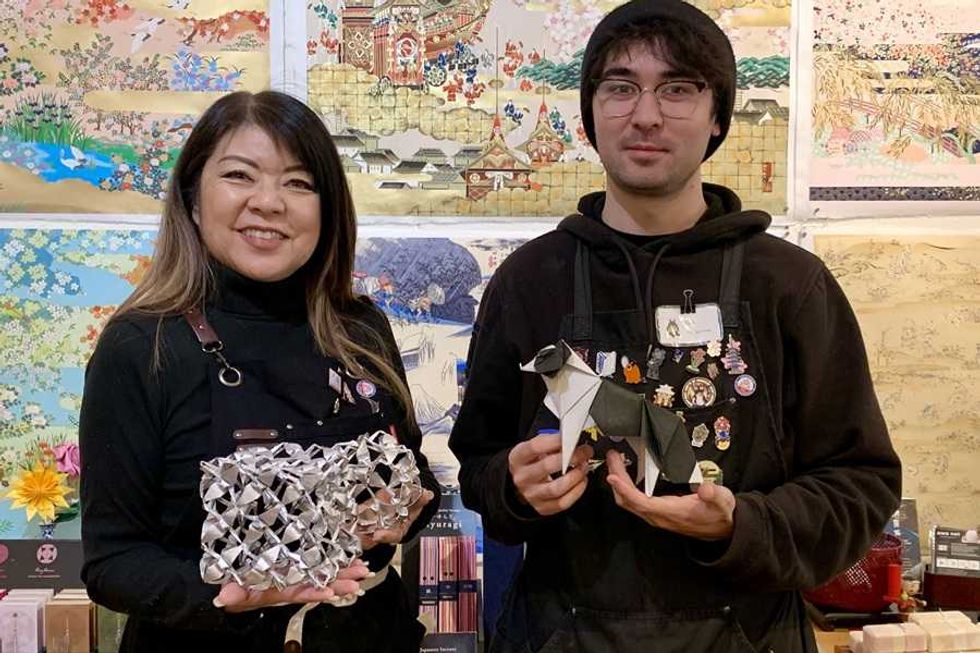 Linda Mihara and nephew CJ Avery with oragami creations at Paper Tree(Anna Mindess)
Fogcats and Yanchako
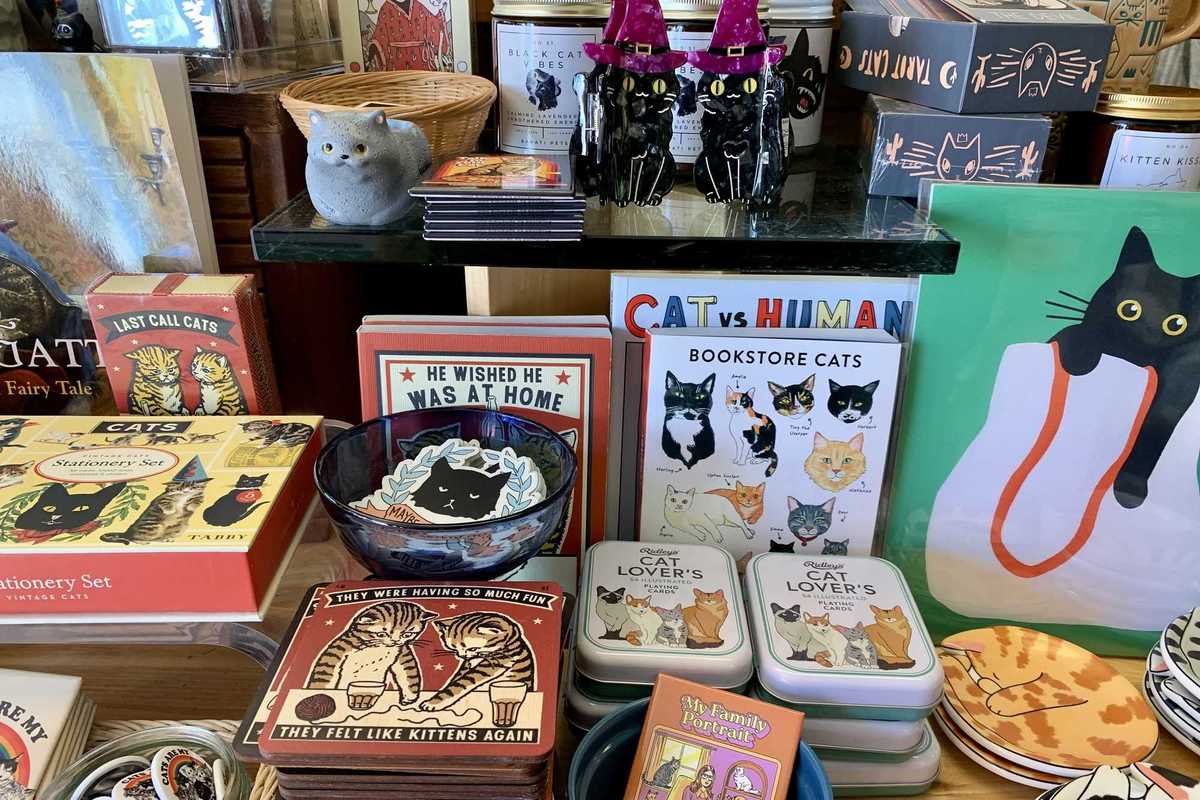
The Japanese are famous for a fierce affinity for felines. If you are cat-crazy too, this is the place for you, full of feline-themed art prints, t-shirts, tote bags, enamel pins, rubber stamps, ceramics, socks, rugs, and more, all with a sweet sensibility. A pair of women artists from Japan, who now live in foggy SF, came together to create adorable and useful products, many of which feature a cat in a fog cloud to symbolize their new home. // 1726 Post St. (Western Addition) fogcats.com
Soba Katsu
This cozy corner cafe has only 11 seats and usually sports a line out the door. Its soba noodles are also 100 percent buckwheat and served hot or cold. Also on the menu are tempura and other side dishes, all made to order—and far too delicate to fully appreciate as take-out. // 1700 Laguna St., sobakatsu03.com
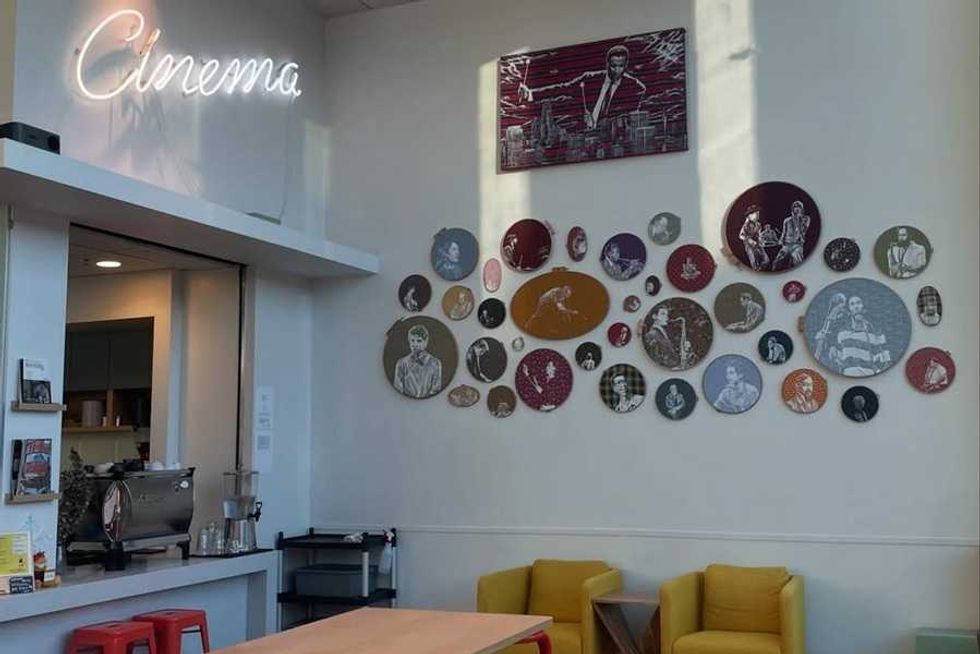 Best Boy Electric is a coffee and matcha haven.(Courtesy of @bestboysf)
Best Boy Electric
The owner of this new cafe, Ryogi Taki, grew up in the Japanese food world with his sushi chef father in Japan. Taki thought a key element missing from SF Japantown was good coffee and devoted Best Boy Electric to serving high-quality coffee and matcha drinks. His most popular beverage is the Okinawa Kokuto Latte, which uses Japanese black sugar from Okinawa, an unrefined type made from slow-cooked cane juice, which adds a hint of smoky, caramel sweetness. Taki’s nutty black sesame matcha latte is also a hit. // 1746 Post St. (Western Addition) instagram.com/bestboysf
Soko Hardware just celebrated its 100th anniversary in 2025. Philip Ashizawa, grandson of the original owner, still oversees their large inventory of tools and gardening supplies, plus Japanese houseware items, including sake bottles, special chisels, and shoji paper. // 1698 Post St., sokohardware.com
San Francisco Japantown History Walk
Understanding its history is an integral part of appreciating San Francisco’s Japantown, which was founded after the 1906 earthquake. The flourishing community once comprised 30 blocks before forced evacuation and internment of its residents during WWII and later “urban renewal” projects severely impacted it. A self-guided walking tour with 16 interpretative signs along the way details its significant moments. Download an audio version of the tour at stqry.app.
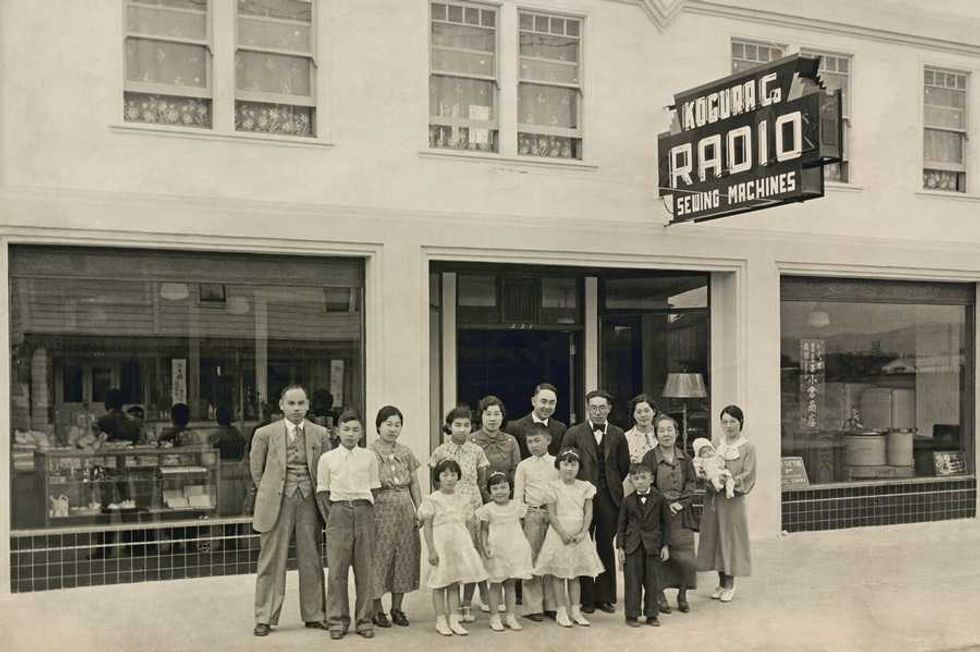 Three generations of the Kogura Family in 1936, which still runs Kogura Gifts in San Jose Japantown.(Courtesy of Richard Kogura)
San Jose Japantown
Kogura Gifts
The oldest shop in Japantown is now run by the third and fourth generations of the Kogura family. They specialize in Japanese gifts and have been on this spot since 1934. (The shop originally opened in 1928, just across the street.) Where they once stocked the latest in technology (radios and sewing machines), they now focus on a wide array of Japanese gift items such as origami, tea sets, chopsticks, sake sets, books, and dolls. // 231 Jackson St., kogura.co
Shuei-do Manju
Every day that this tiny shop has been open for the last 38 years, Tom and Judy Kumamaru have folded, pinched, and stuffed hundreds of jewel-toned Japanese sweets by hand (including puffy mochi, golden manju, and glowing, fruit-flavored chi chi dango) in the back room. They are the second couple to fashion them at Shuei-do Manju, which has been beloved by generations. Another husband-and-wife team, the Ozawas, ran the business for the first 35 years. Since no machine can replicate these handmade treats, the Kumamarus were hoping that one of their children might be inspired to take over the family business. That, unfortunately, seems unlikely at this point, so don’t delay your visit. // 217 Jackson St., shueidomanju
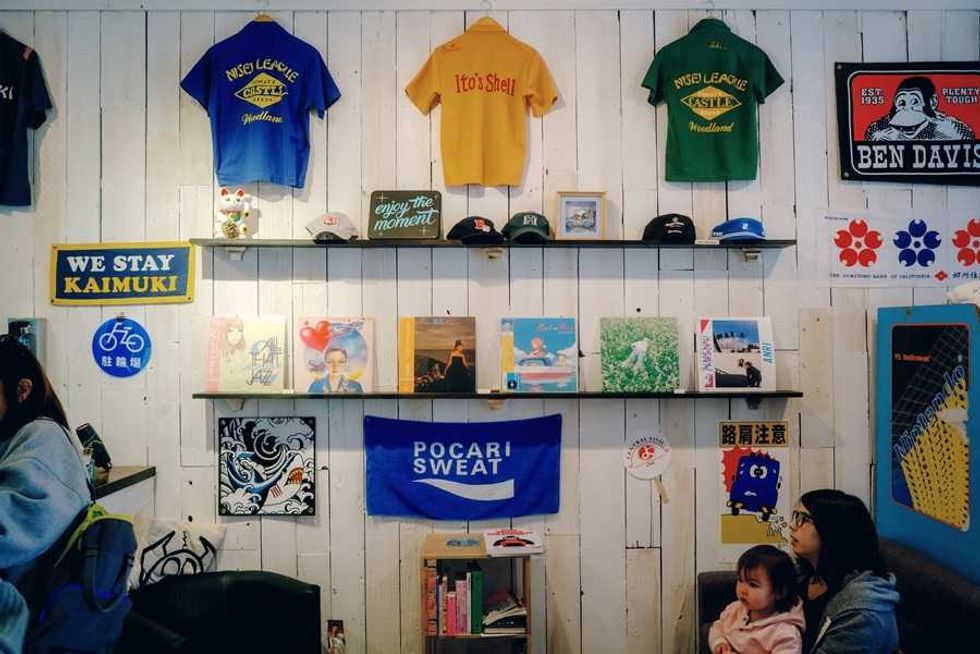 Fun new SJ Japantown shop Minasan(Sannie Celeridad)
Minasan
Minasan, the name of the newest addition to San Jose’s Japantown, means “everyone.” Indeed, the sweet neighborhood shop has a universal appeal that combines local crafts, vintage T-shirts, and vinyl—and is often the site of neighborhood events that are frequented by the younger generation who treasure their memories of Japantown. // 210 Jackson St., instagram.com/minasan.sj
Roy’s Station
Roy’s Station is a unique cafe that honors both the old and new Japantown. It’s named for Roy Murotsune, who ran a gas station on this spot for almost half a century. After he retired, his children and grandchildren honored his contribution by turning the gas station into a caffeine-filling station. The hip coffee shop still sports an original red Coca-Cola machine from the gas station days, but the drinks are more contemporary, with lattes, smoothies, and a selection of green teas. The outdoor seats have become a community hub where you may find an impromptu ukulele class or knitting circle. // 197 Jackson St., roysstation.com
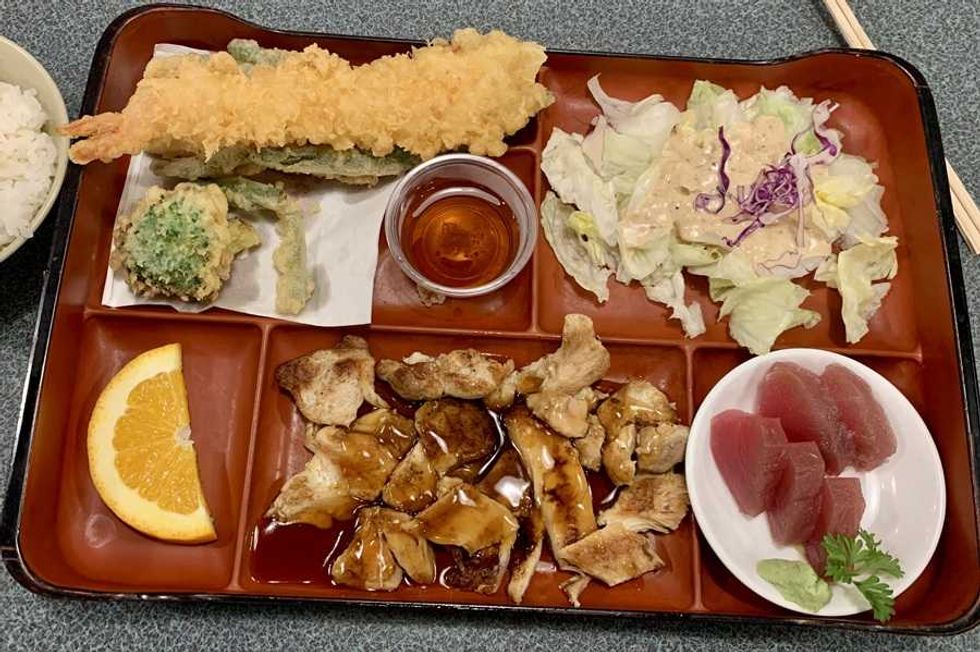 A classic Japanese American lunch at Minato (Anna Mindess)
Minato Restaurant
The oldest restaurant in SJ Japantown has been serving traditional Japanese American fare since 1957. Anthony Bourdain famously stopped by for lunch in 2015—he had the hamachi kama, katsu curry, and tempura. The present owners are Gene Yoneda and his wife JoAnn. Renowned as a family-friendly place, at Minato, children get tickets they can turn in or save up to exchange for toys. // 617 N. 6th St., minatojapaneserestaurant.com
Japanese American Museum of San Jose
Find a formidable collection of exhibits in this beautifully organized museum that chronicles local Japanese American history. On view are actual pieces of antique farm equipment, suitcases that Japanese Americans took with them to forced relocation sites during WWII, and a replica of a sparse barracks room at the Tule Lake detention center, plus a rotating exhibit of contemporary Japanese American artists’ work. // 535 N. 5th St., www.jamsj.org