

When you think of cruising Alaska, the first images that come to mind may be massive ships with water parks, roller coasters, and never-ending buffet lines. Stories about The Last Frontier's touristy, crowded ports can make even the most seasoned travelers declare themselves “non-cruisers.”
But Alaska’s a big, beautiful place.
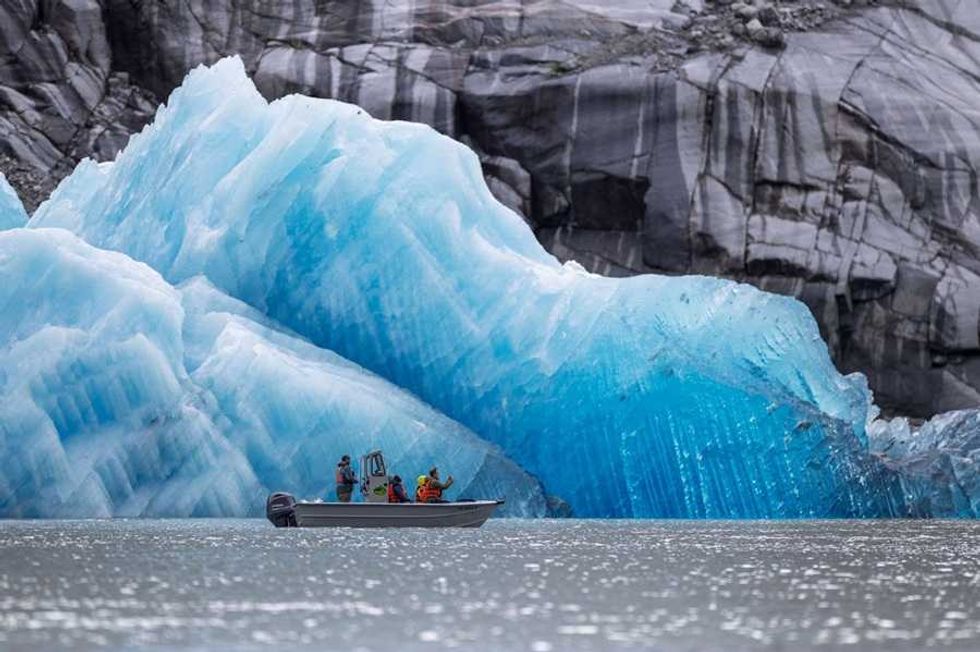
For nearly 50 years, The Boat Company has focused on taking its guests off the beaten path in Southeast Alaska, navigating dramatic landscapes that leave you gobsmacked by their beauty and committed to the fight to help protect it.
“It doesn’t take a lot for Alaska to suck you in,” says Hunter McIntosh, president and executive director of The Boat Company. “It truly is one of the last wild places our nation has to offer.”
 (Courtesy of The Boat Company)
Cruising for a Cause
The Boat Company is said to be the only nonprofit cruise line in the world. Since 1979, the little-known brand has contributed more than $30 million to preserving the Tongass National Forest—the nation’s largest forest at more than 17 million acres and the planet’s last substantially intact temperate rainforest. They’ve also helped to fund myriad organizations that safeguard natural resources, wildlife, and communities in the remote area of Alaska.
The unlikely nonprofit was founded by late environmental philanthropist Michael McIntosh and his wife Winsome. The McIntosh Foundation was created in the 1970s, when the family sold their majority stock in the Great Atlantic and Pacific Tea Company, better known as the A & P grocery store chain. Michael was introduced to and fell in love with Southeast Alaska while working on the grocer’s salmon fishing fleet and in its cannery.
The McIntoshes are also longtime supporters of San Francisco-based Earthjustice (originally known as Sierra Club Legal Defense Fund) and are credited with being instrumental in opening the nonprofit’s office in Juneau, Alaska.
 (Courtesy of The Boat Company)
“My father's relationship with Earthjustice goes back to day one of the evolution of The Boat Company,” says the late McIntosh’s son, Hunter. “The Boat Company started because of my dad's love of Alaska, because of the work that he was doing in conservation, clean water, and clean air with Earthjustice at the time.”
The Boat Company is currently one of many conservation groups fighting the Trump administration’s proposal to repeal the Roadless Area Conservation Rule, commonly referred to as the Roadless Rule. Established in 2001, it protects nearly 60 million acres, including the Tongass National Forest, as well as nearly 4 million acres of national forest land in California (according to the Sierra Nevada Alliance) from logging, mining, and construction.
“It's frustrating. It can get very tiring when you think you see a light at the end of the tunnel, and then somebody jerks you back into the tunnel,” says McIntosh. “But, you know, a good fight keeps you going too, as long as you're fighting the good fight, which we feel we are. We’ll keep on going and hope that this place isn't clear-cut all over one day.”
A Trip with The Boat Company
Along with being the only nonprofit cruise line, The Boat Company’s vessels are among the smallest navigating Alaska’s waters. The 10-cabin Liseron carries just 20 passengers, and the 12-cabin Mist Cove can accommodate 24 passengers. (That’s a total of roughly 750 passengers a year.) Both cruise between Juneau and Sitka from mid-May through September.
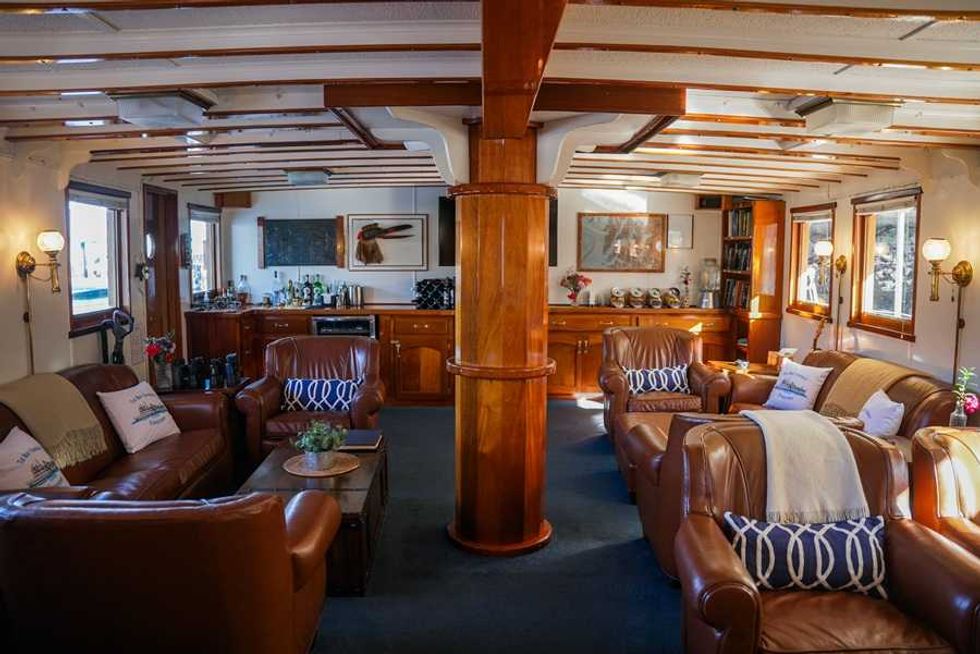 The cozy common area inside the ten-cabin Liseron(Courtesy of The Boat Company)
No two trips are the same. Itineraries take shape on a daily basis depending on where other ships are and what everyone on board is interested in. After dropping anchor in Hanus Bay on my cruise, about half the group went ashore to hike, while the rest went fly-fishing for Dolly Varden and Cutthroat trout—another thing that sets The Boat Company apart from the competition. The conservation-focused cruise line is licensed to take people fresh- and saltwater-fishing daily and anything you catch is filleted and vacuum-sealed by the crew before being stowed in an onboard freezer. At the end of the trip, your catch is packed in an insulated box for your flight home.
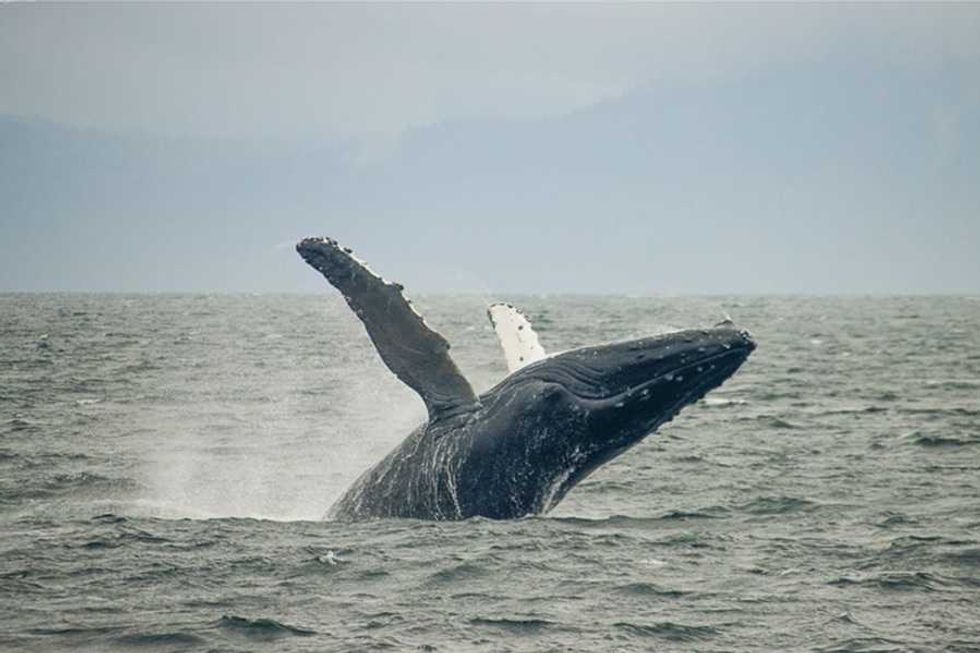
Another morning, while some passengers slept in, a small group including myself set out to pull shrimp pots. Our haul was dismal, but we felt more than rewarded for our efforts after catching sight of a pod of spouting humpback whales.
The crew is responsible for getting passengers from point A to point B in seven days, but otherwise, the sailing schedule is fluid. The crew has full authority to slow down and linger when Alaska dishes out magical moments, the likes of orca sightings and rainbows that seemingly have no end.
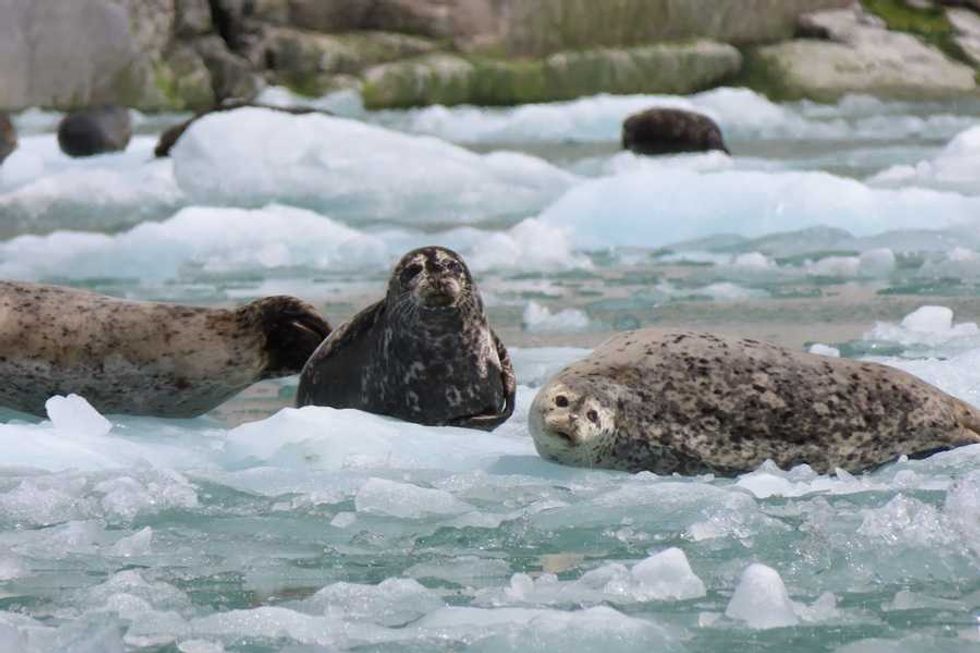 Frequent wildlife sightings are par for the course on a cruise with The Boat Company.(Dana Rebmann)
Outfitted with bunk beds that have a double bed on the bottom and a twin bed on the top, the cabins are not what most would define as luxurious, but they’re warm and comfortable. Bathrooms are compact with a single sink, toilet, and stall shower; hot water was plentiful during my time aboard.
Every day seemed to get better than the last during my sailing from Sitka to Juneau. With blue skies overhead, the list of wildlife sightings grew exponentially from sea lions, bald eagles, and seals to orcas and bear cubs just venturing out of the den for a beach day after a long winter of hibernation.
“I’m not trying to brag, but we constantly hear that it’s the trip of a lifetime, [the] cruise of a lifetime,” says McIntosh. “And it's not us. I mean, part of it is us, but a big part of it is Alaska. A big part of it is the Tongass is doing its thing. We just happen to be the mode of transportation.”
// Learn more about The Boat Company’s cruises at theboatcompany.org